

Finland grants operating licence for world’s first spent fuel repository
On 22 October 2026, Finland granted an operating licence for Posiva's spent fuel repository, following a licence application submitted in December 2021 and more than two decades after construction began.
© Teollisuuden Voima Oyj
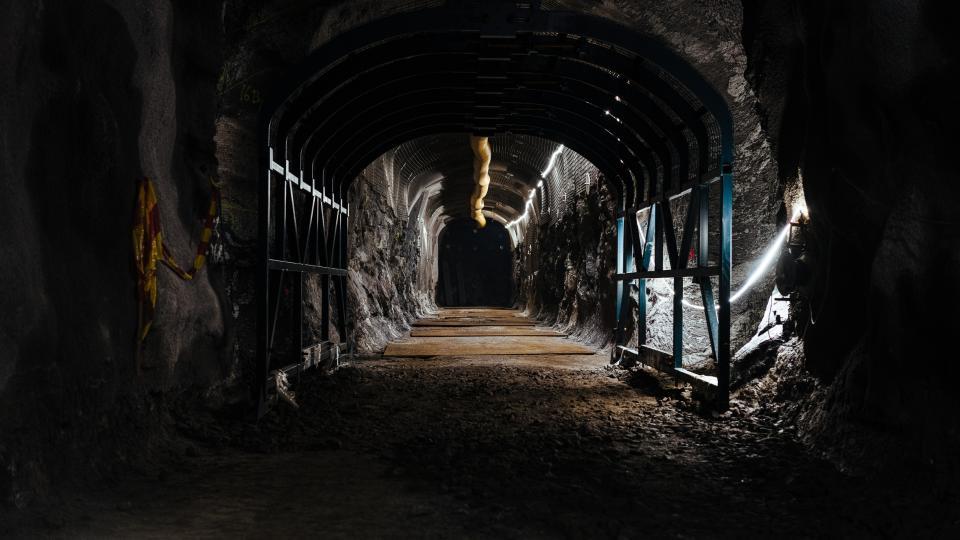
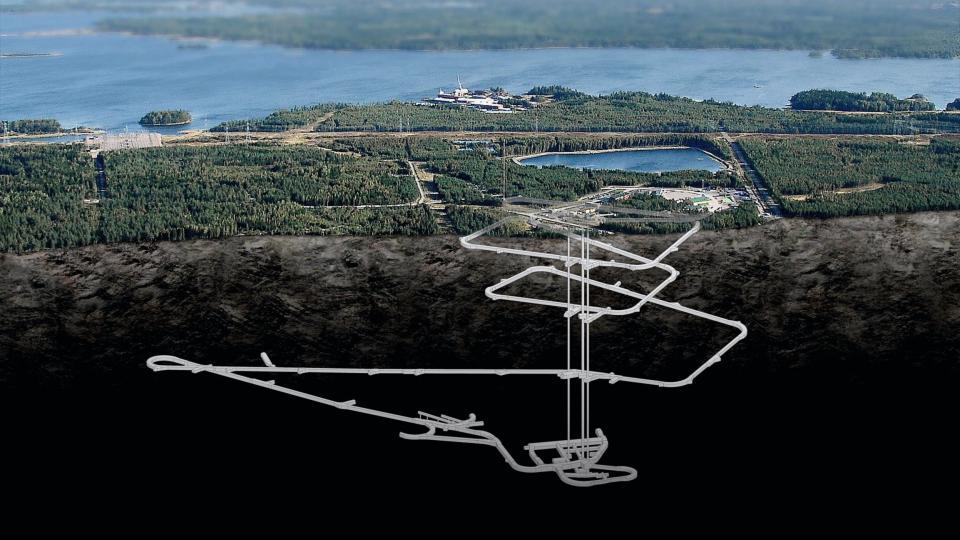
The Finnish Government has granted Posiva, the company responsible for radioactive waste management in Finland, an operating licence for its spent nuclear fuel repository and associated encapsulation facility. The decision follows the favourable opinion issued by the Finnish Radiation and Nuclear Safety Authority (STUK) in August 2026. The repository is located on Olkiluoto Island, in southwestern Finland.
What does the operating licence mean in practice?
Finland, which operates five nuclear reactors, is among the leading countries in the development and implementation of deep geological disposal solutions for spent nuclear fuel.
The operating licence granted by the Finnish authorities marks an important new phase in the project. Before disposal operations can begin, Posiva must still complete preparations for the commissioning of the facility under the supervision of STUK. "No detailed timetable has been provided at this stage regarding the start of operations," the company stated.
© Posiva
Onkalo and Cigéo: similar principles, different programmes
Known as Onkalo, meaning cave in Finnish, the facility is expected to receive 6,500 tonnes of spent nuclear fuel. The fuel will be placed in copper canisters and emplaced in granitic bedrock at a depth of 430 metres. Before final disposal, spent fuel is stored for approximately 40 years in cooling pools.
While Finland's repository shares the same deep geological disposal approach as Cigéo, the two programmes differ in their design, scale and the types of waste they are intended to receive.
- In Finland, the facility is designed for spent nuclear fuel arising from nuclear electricity generation. As spent fuel is not reprocessed in Finland, it is considered radioactive waste and destined for direct disposal.
- In France, the Cigéo project is designed to dispose of high-level waste (HLW) and intermediate-level long-lived waste (ILW-LL), including waste generated through the reprocessing of spent nuclear fuel and the operation of French nuclear power plants. Spent fuel itself is not directly disposed of in France, as reusable materials are recovered through reprocessing.
The operating licence granted by the Finnish Government is a world first for a deep geological repository designed for spent nuclear fuel. For organisations involved in radioactive waste management worldwide, it marks a major milestone in the industrial implementation of deep geological disposal, which is widely recognised as the reference solution for the long-term management of the most hazardous radioactive waste. France is pursuing the same approach through the Cigéo project, which is currently progressing through its creation licence application process.