

Radioactive Waste Classification
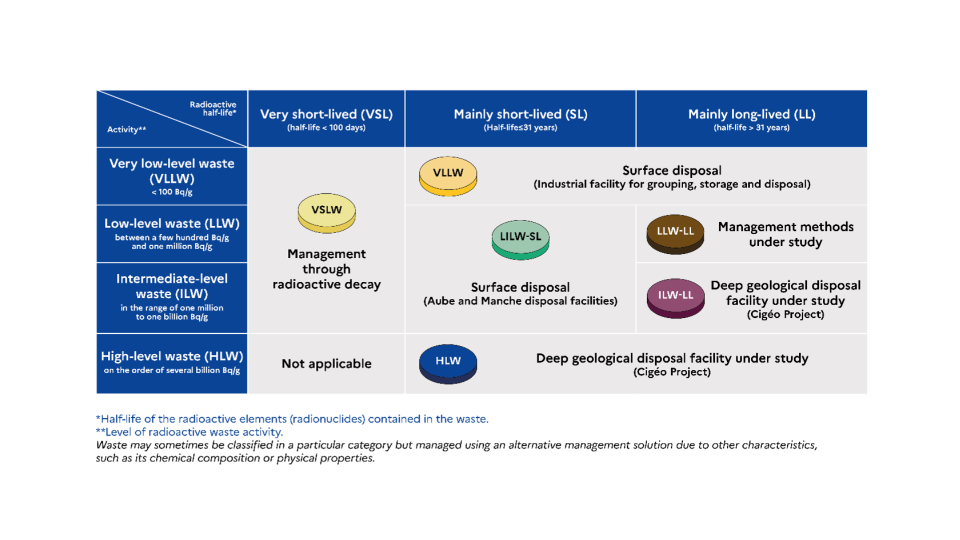
Radioactive waste exhibits a wide range of chemical, physical and radiological characteristics. These characteristics determine how waste is treated, packaged and ultimately managed. In practice, radioactive waste is classified into five main categories.
Categories of Radioactive Waste
In France, radioactive waste is classified into five categories according to several criteria, including its level of radioactivity and its lifetime. Each category is associated with a management solution adapted to its characteristics.
Understanding the Different Types of Radioactive Waste
Radioactive waste is highly diverse. Most waste contains the same types of chemical or radioactive substances, but in varying quantities. Depending on its composition, waste may therefore present different levels of hazard over different periods of time.
To ensure the safest and most appropriate management, waste is grouped into categories sharing similar characteristics.
In France, this classification is primarily based on two parameters, which give each waste category its name:
- Radioactivity level: depending on the quantity and nature of the radioactive substances they contain, waste can be classified as very low-level, low-level, intermediate-level or high-level waste.
- Lifetime: this depends on how long the radioactive substances contained in the waste remain radioactive. All radioactive waste contains a mixture of short-lived radionuclides (half-life ≤ 31 years) and long-lived radionuclides (half-life > 31 years). For simplicity, waste containing mainly short-lived radionuclides is referred to as short-lived waste, while waste containing mainly long-lived radionuclides is referred to as long-lived waste.
Classifying Radioactive Waste
In France, radioactive waste is divided into six categories:
- Very Short-Lived Waste (VSL)
- Very Low-Level Waste (VLLW)
- Low- and Intermediate-Level Short-Lived Waste (LILW-SL)
- Low-Level Long-Lived Waste (LLW-LL)
- Intermediate-Level Long-Lived Waste (ILW-LL)
- High-Level Waste (HLW)
Very Low-Level Waste (VLLW)
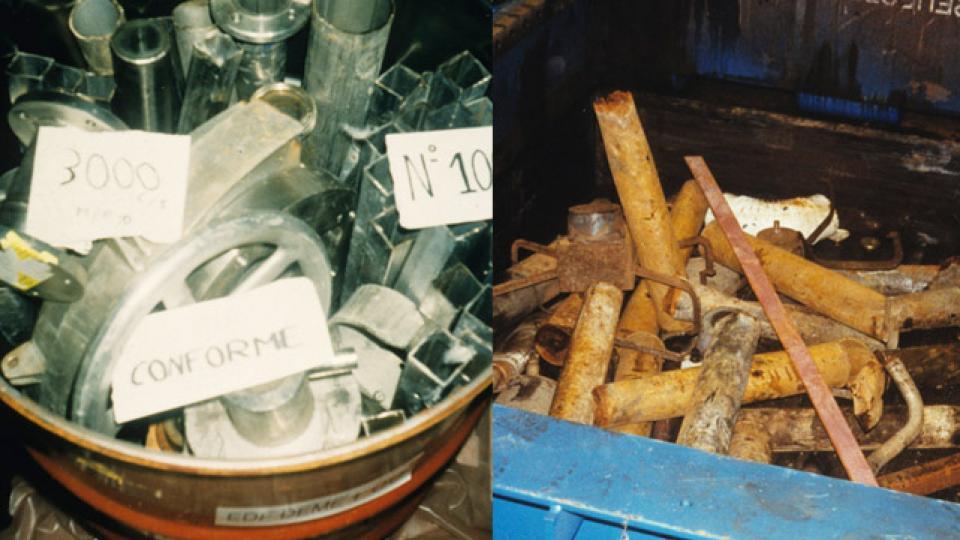
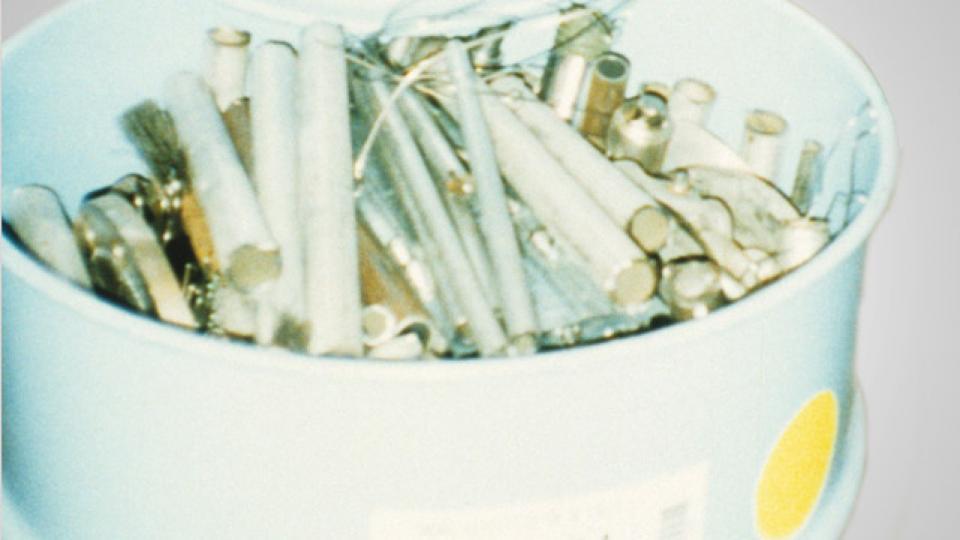
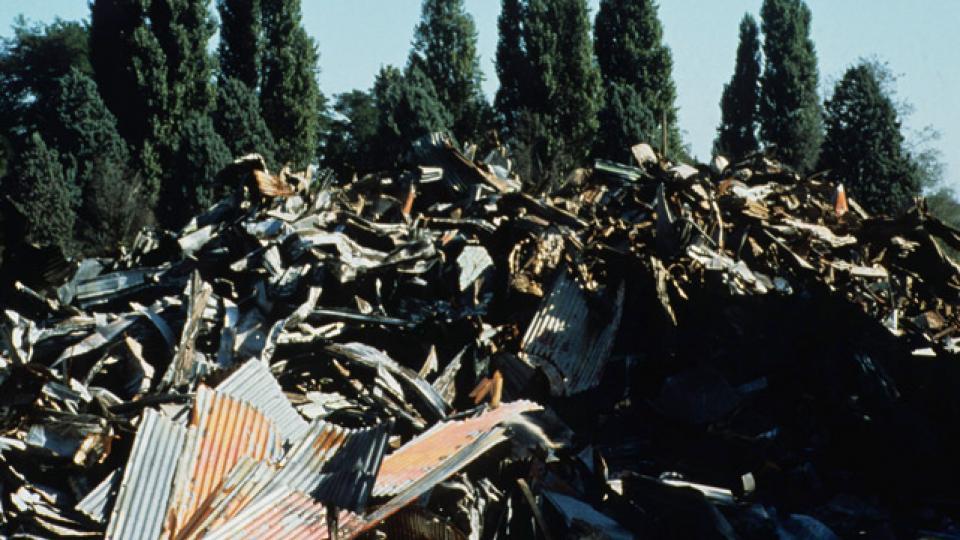
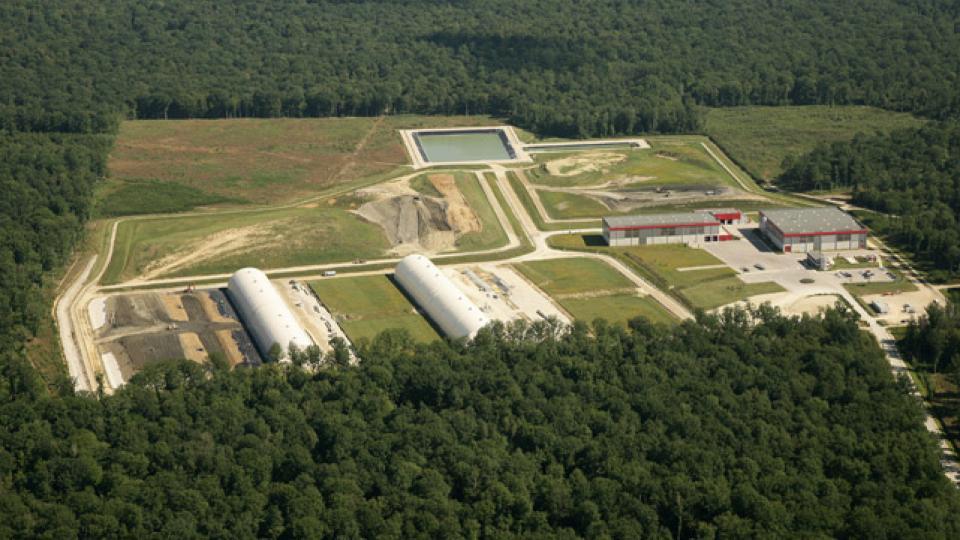
The radioactivity of Very Low-Level Waste (VLLW) can be close to natural background radioactivity. This waste mainly consists of rubble (concrete, plaster and soil) and scrap metal (steel structures and piping) that has been very slightly contaminated. France is the first country in the world to consider all of this waste as radioactive waste and to dispose of it in a dedicated facility, the Industrial Grouping, Storage and Disposal Centre (Cires), in the Aube department.
Waste arising from dismantling
Very Low-Level Waste originates primarily from the dismantling of nuclear facilities, but also from conventional industries (such as the chemical and metallurgical sectors) that use naturally occurring radioactive materials.
It is also generated during the clean-up and rehabilitation of sites contaminated by radioactivity.
This waste is made up of:
- 50% conventional industrial waste (scrap metal, plastics, etc.);
- 40% inert waste (concrete, bricks, soil, etc.);
- 10% special waste, consisting of materials such as sludge and ash.
Due to its very low level of radioactivity, this waste is generally regarded as non-radioactive in most countries. France, however, considers all of it to be radioactive waste.
Did you know?
About 654 000 m3 of very low level waste are disposed of or intended to be disposed of in one of Andra's facilities (as of the end of 2022).
What Happens to This Waste?
Like all radioactive waste, Very Low-Level Waste is disposed of in dedicated facilities until its radioactivity has decayed over time. Given its very low level of radioactivity, the facility designed to receive this waste was built at the surface. Before disposal, the waste may first undergo treatment and is then packaged according to specific requirements.
Plastic and metallic waste is compacted to reduce its volume. Liquid waste, such as contaminated water or sludge, is solidified and stabilised.
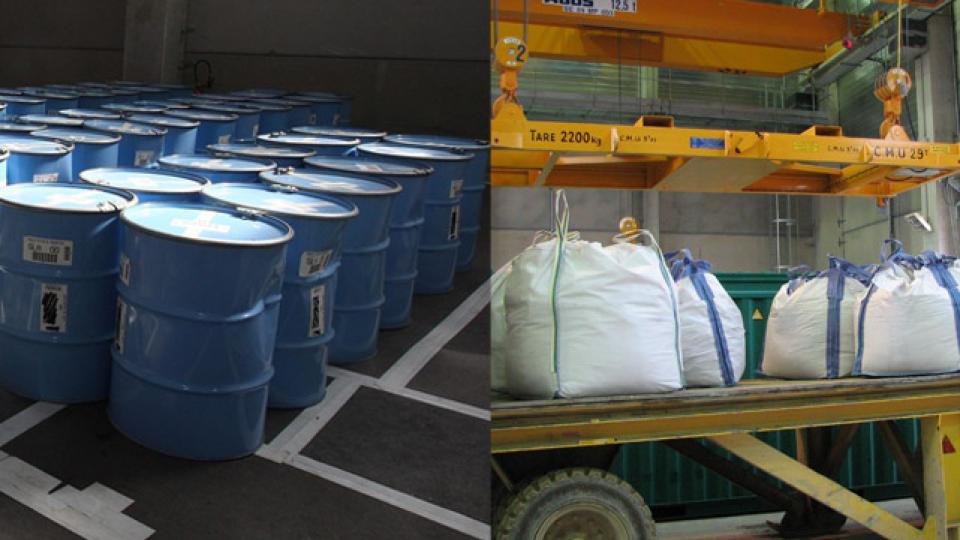
Given the nature of this waste and its very low level of radioactivity, it is packaged in metal drums or in large fabric bags known as big bags, mainly to facilitate handling.
Low- and Intermediate-Level Short-Lived Waste (LILW-SL)
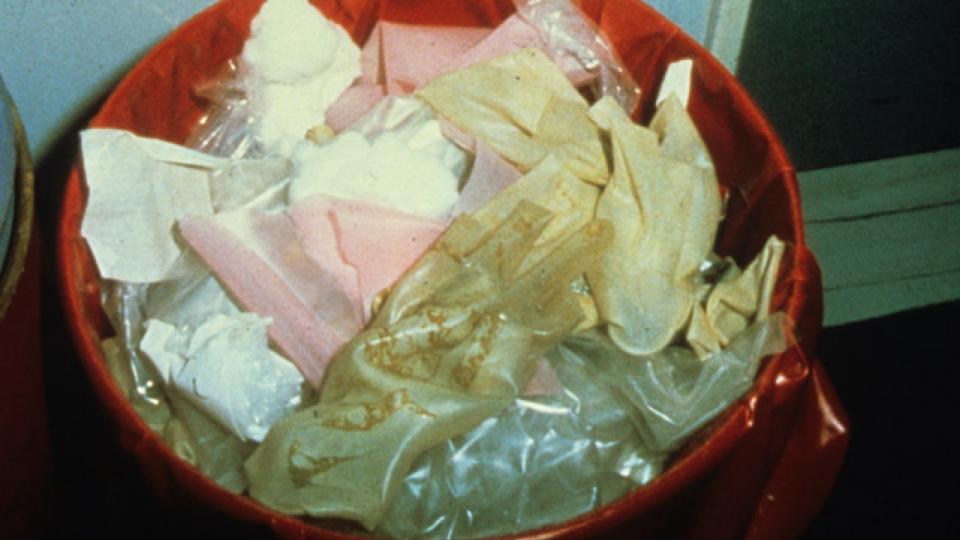
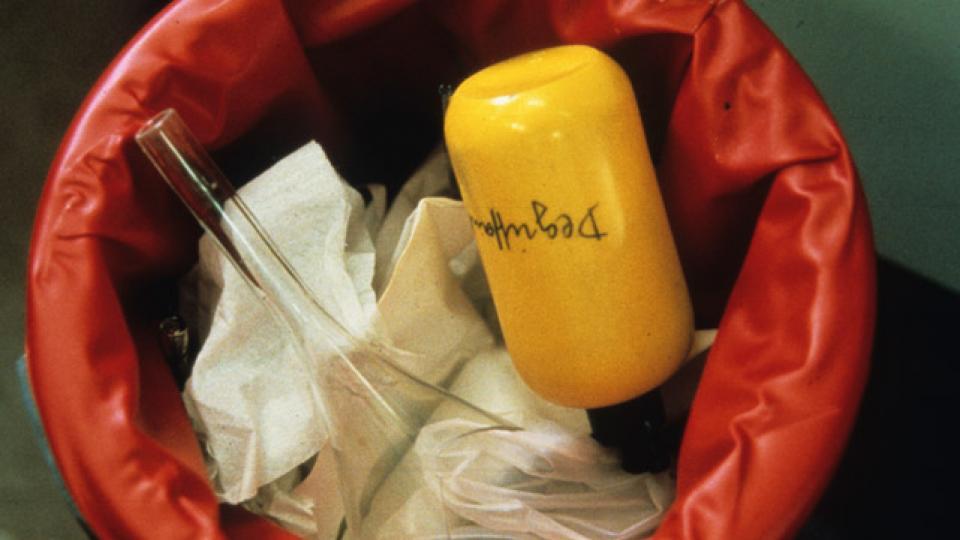
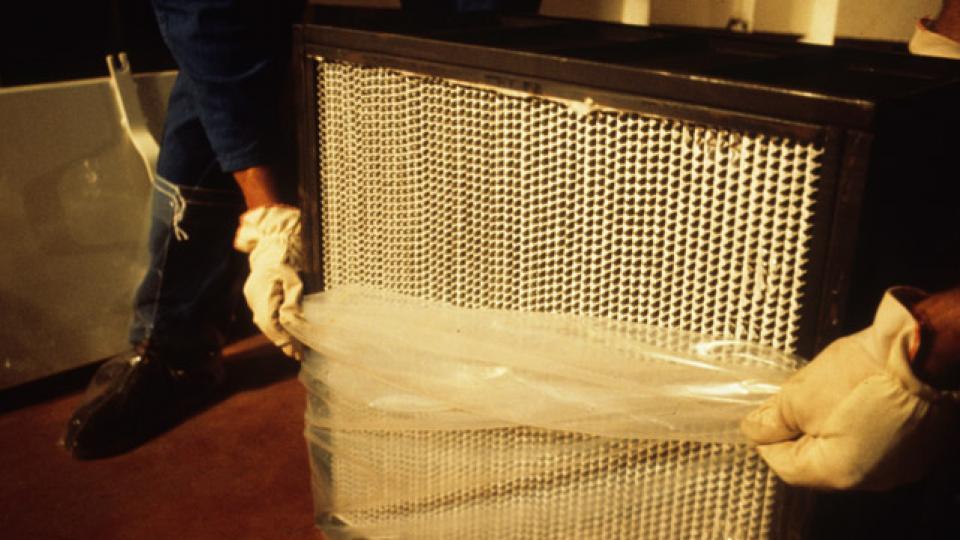
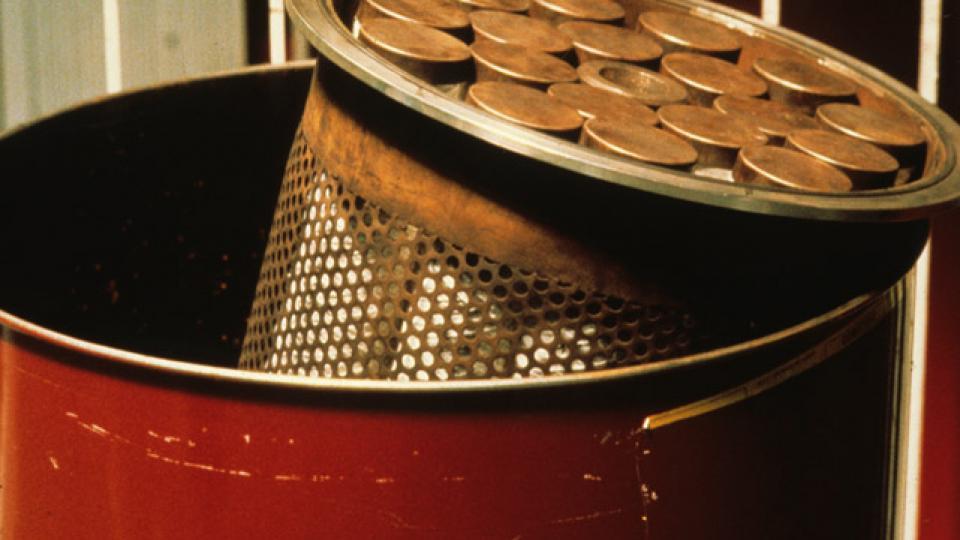
Low- and Intermediate-Level Short-Lived Waste (LILW-SL) mainly consists of materials used in activities related to nuclear installations, such as clothing, tools and filters. Because most of the radionuclides they contain are short-lived, this waste is generally compacted and packaged in metal or concrete containers before being disposed of in a facility specifically designed for this category of waste: the Aube Disposal Facility (CSA).
Clothing, Tools and Small Equipments
LILW-SL waste mainly originates from:
- the operation and maintenance of nuclear industry facilities;
- the activities of the French Alternative Energies and Atomic Energy Commission (CEA).
But it also originates from:
- research laboratories, hospitals and universities;
- clean-up and dismantling operations.
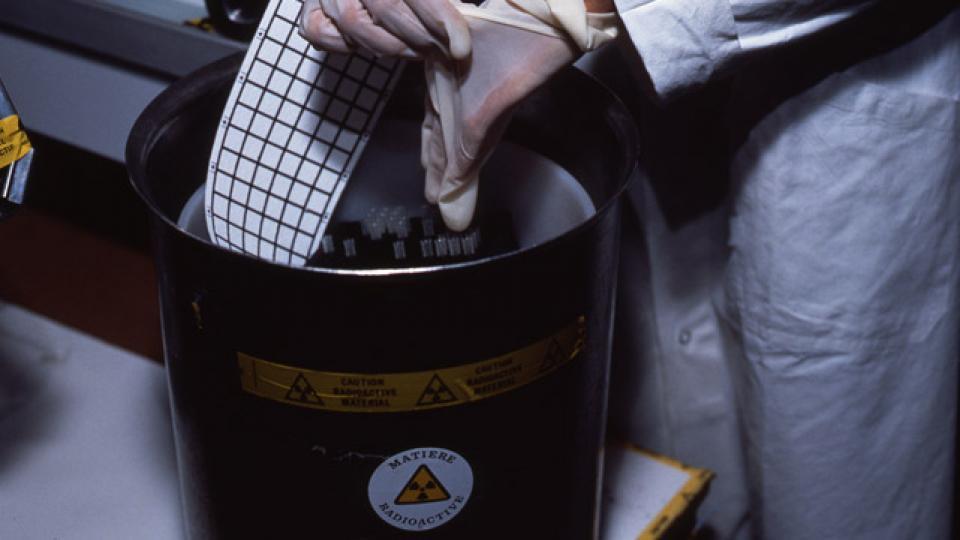
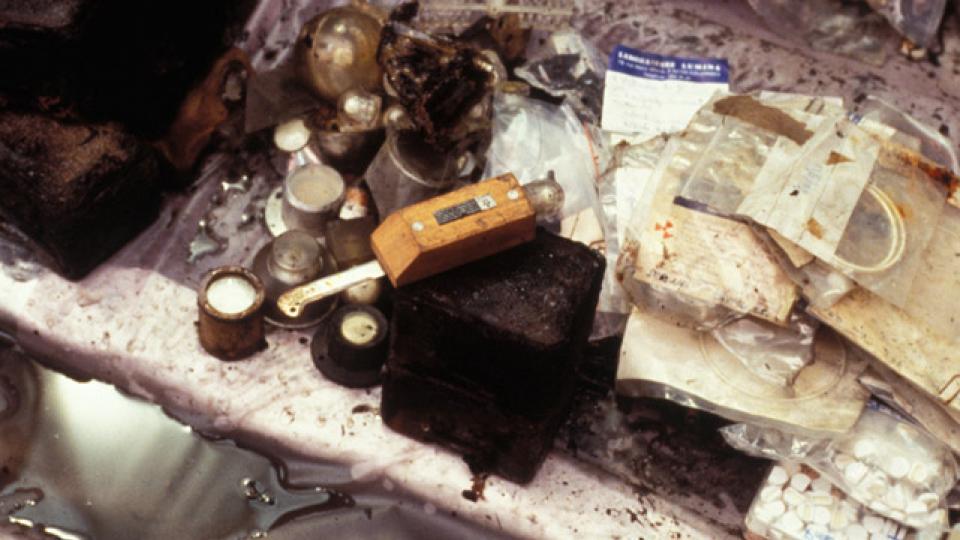
This waste mainly consists of clothing, tools, gloves and filters.
The particularity of this waste is that most of the radioactive substances it contains are short-lived. Given its low to intermediate initial level of radioactivity, it no longer presents a significant hazard after approximately 300 years, due to the natural decay of radioactivity.
This waste also contains small quantities of long-lived radioactive substances. However, their concentration is strictly limited in order to allow disposal in surface facilities.
Did you know?
Approximately 989,000 m³ of Low- and Intermediate-Level Short-Lived Waste had been disposed of or was expected to be managed by Andra by the end of 2022.
What Happens to LILW-SL?
Like all radioactive waste, LILW-SL is intended for disposal in dedicated facilities designed for its characteristics. Because it contains only limited quantities of long-lived radionuclides, the facilities designed to receive it are built at the surface. Before disposal, the waste may first undergo treatment and is then packaged according to specific requirements.
Once generated, this waste may be compacted to reduce its volume or solidified if it is in liquid form. It is generally placed in a metal container and then encapsulated in concrete.,As a result, a typical LILW-SL package consists of approximately 15 to 20% radioactive waste and 80 to 85% encapsulation material.
Low-Level Long-Lived Waste (LLW-LL)
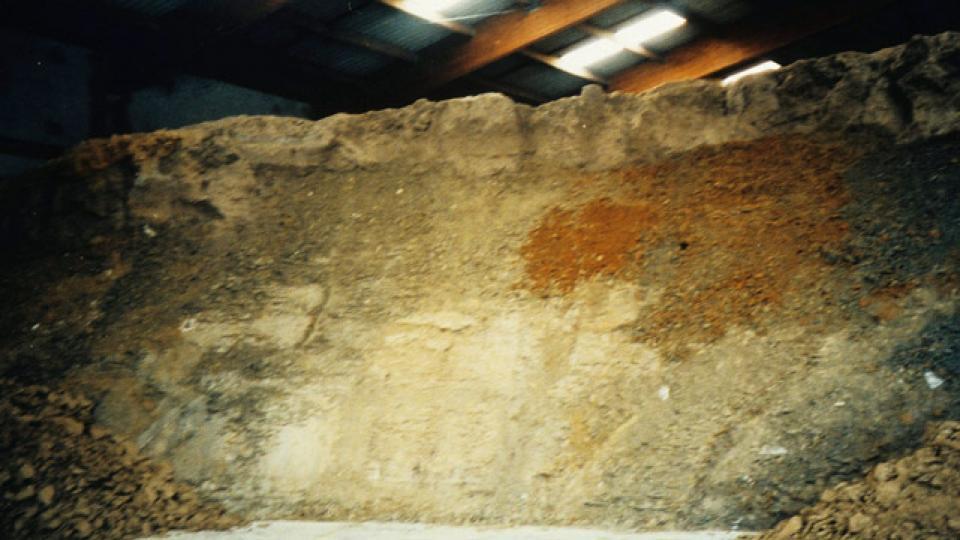
Low-Level Long-Lived Waste (LLW-LL) mainly consists of legacy waste or waste arising from past activities. It includes different types of waste, such as radium-bearing waste and graphite waste. The former mainly results from the use of naturally radioactive minerals, while the latter originates from France's first generation of nuclear power plants (Natural Uranium Graphite Gas reactors), which have now been shut down and are being dismantled.
Two Main Types of LLW-LL
Radium-bearing waste takes its name from the radium it contains. It mainly originates from the processing of minerals such as zircon and uranium ore. These minerals are used to extract rare earth elements for the manufacture of electronic components, catalytic converters and high-performance metallurgical products. Some of this waste also results from the clean-up of sites contaminated by radioactivity.
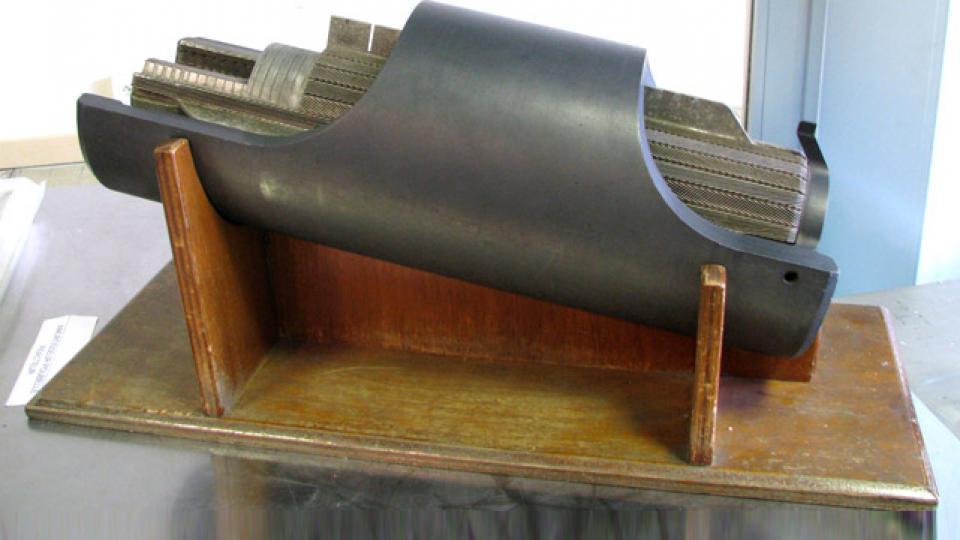
Graphite waste takes its name from the material it contains. It is generated during the dismantling of France's first-generation nuclear reactors, which operated during the 1960s. At the time, the fuel used in these reactors was surrounded by graphite sleeves, a highly pure form of carbon.
Other LLW-LL
Other types of LLW-LL include:
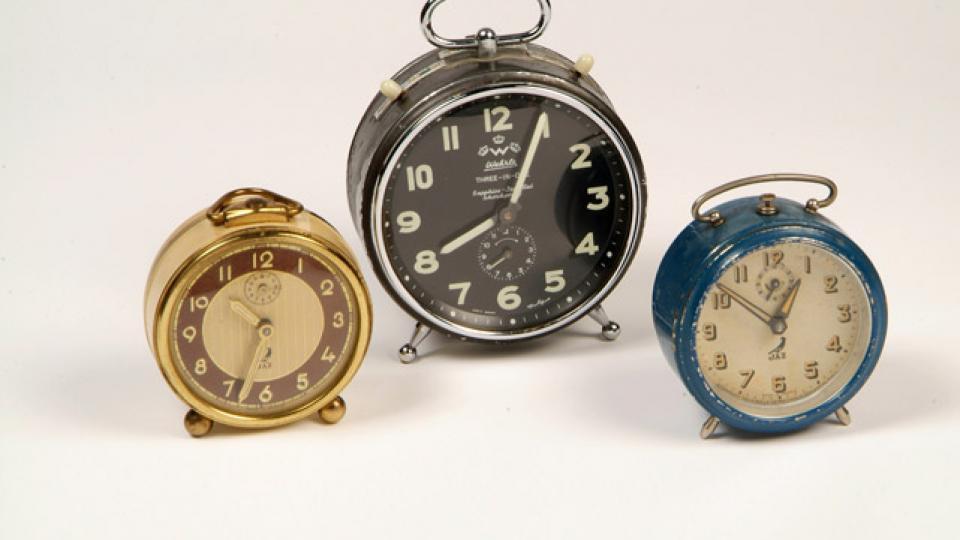
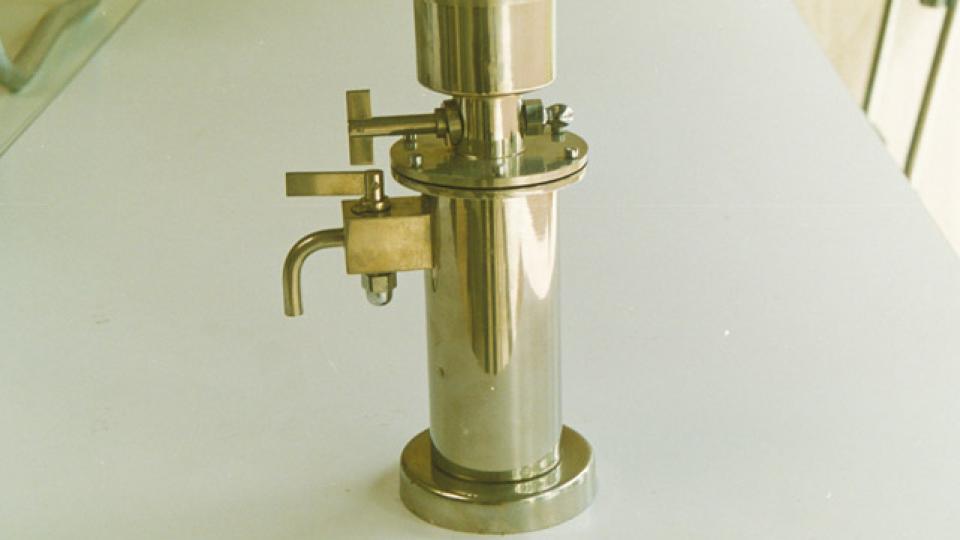
- legacy radioactive objects manufactured during the interwar period, such as radium fountains and watches;
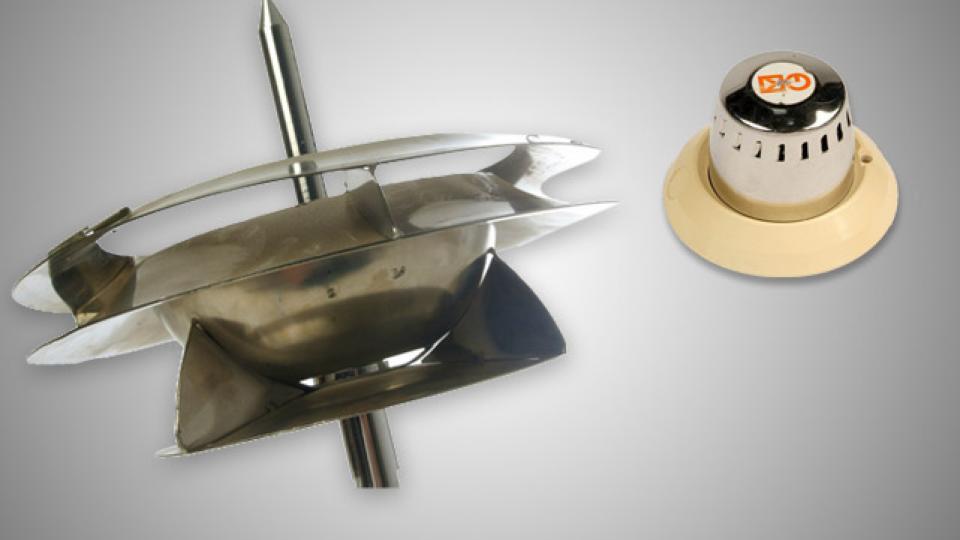
- lightning conductors, smoke detectors and other devices containing radioactive substances.
For the most part, the production of these types of waste has already ceased or is expected to cease in the near future.
A Subsurface Disposal Facility
For several years, Andra has been studying the possibility of developing a subsurface disposal facility for LLW-LL. Pending the availability of such a facility, LLW-LL is safely stored in dedicated facilities located at or near the sites where it is generated.
Intermediate-Level Long-Lived Waste (ILW-LL)
Intermediate-Level Long-Lived Waste (ILW-LL) is mainly generated by the nuclear power industry. In France, most of this waste originates from the processing of fuel used in nuclear reactors. Due to its level of radioactivity and long lifetime, Andra is developing a deep geological disposal facility located in a clay formation approximately 500 metres underground.
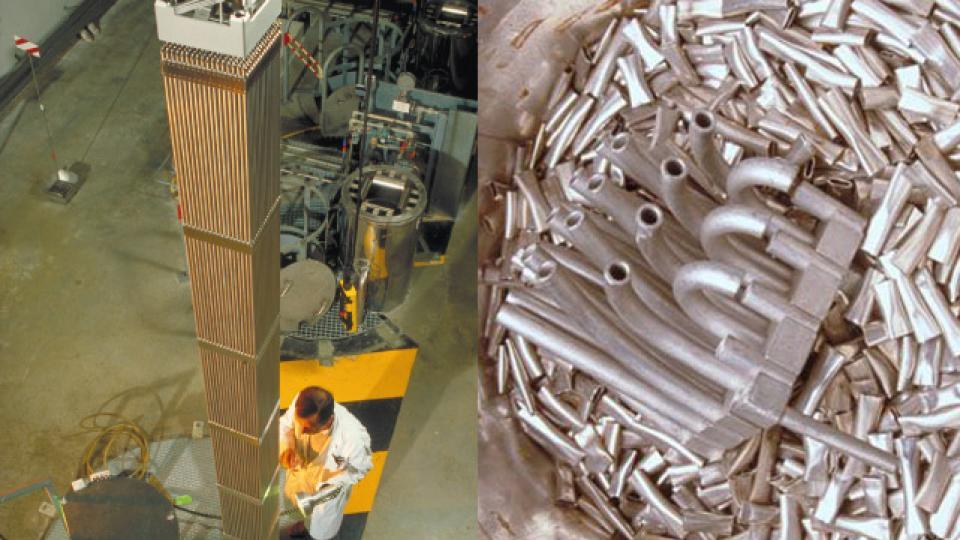
Fuel used in today's nuclear reactors consists of uranium, sometimes combined with plutonium. Over time, this fuel becomes less efficient and is removed from reactors. It is then processed, mainly at the Orano La Hague facility, to recover materials that can be recycled. During this process, the metal structures surrounding the fuel assemblies are cut into small sections.
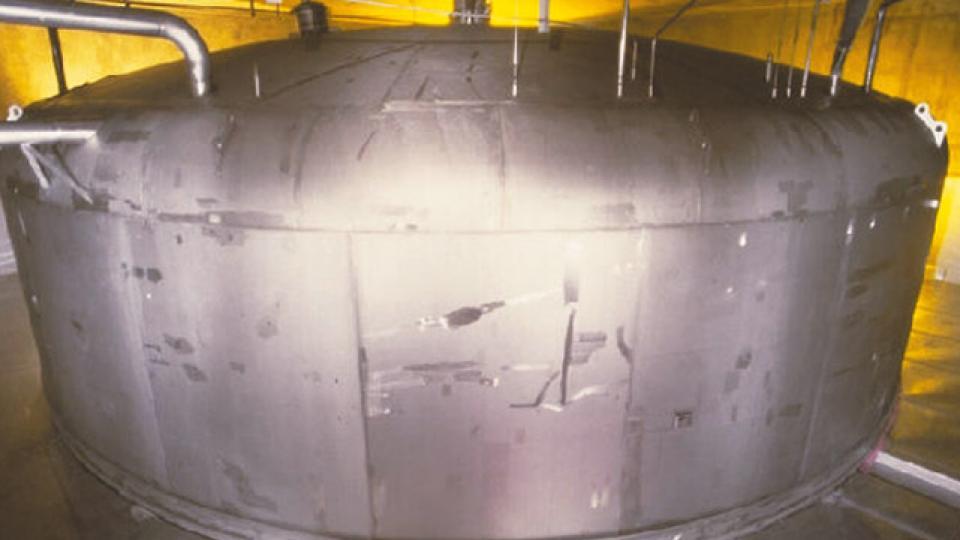
ILW-LL mainly consists of these metallic components (cladding hulls, end-pieces and structural elements).
It also includes residues resulting from the operation and maintenance of nuclear facilities, as well as from the manufacture of certain nuclear fuels, such as treatment residues and contaminated equipment.
Did you know?
Approximately 39,600 m³ of ILW-LL had been disposed of or was expected to be managed by Andra by the end of 2022.
What Happens to ILW-LL?
Like all radioactive waste, ILW-LL is intended for disposal in a facility specifically designed for its characteristics. Due to its long lifetime, ranging from several thousand to several hundred thousand years, and its level of radioactivity, this waste will be disposed of in Cigéo, a disposal facility located in a clay formation approximately 500 metres underground.
Before disposal, the waste is treated and packaged according to specific requirements.
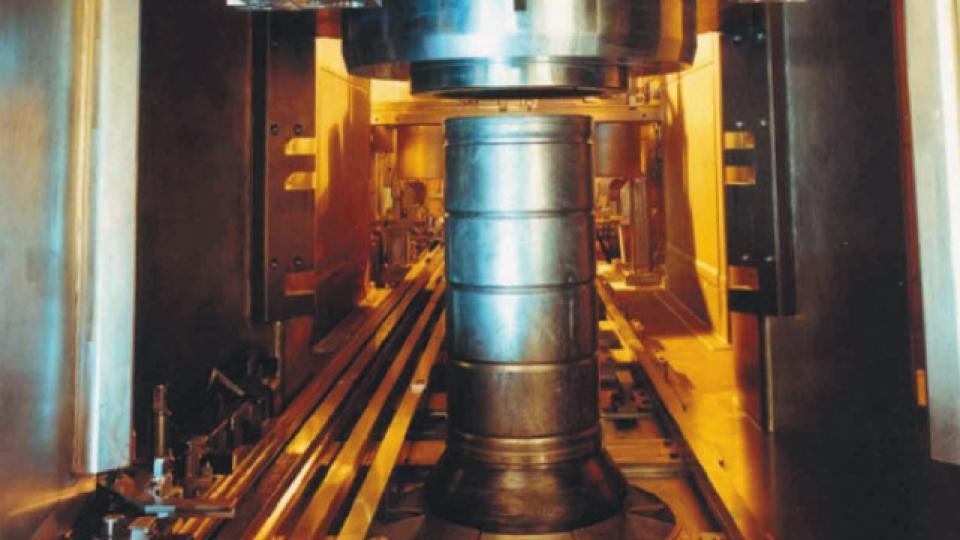
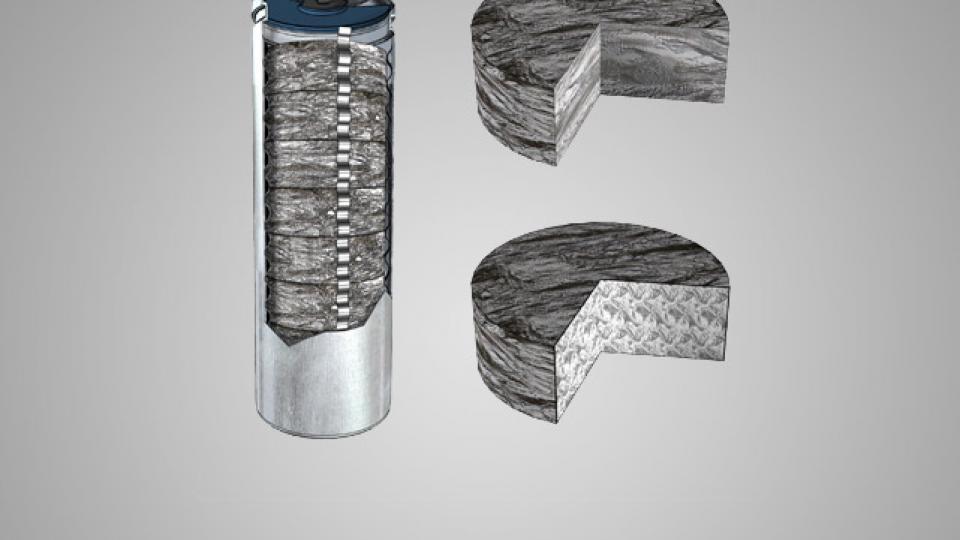
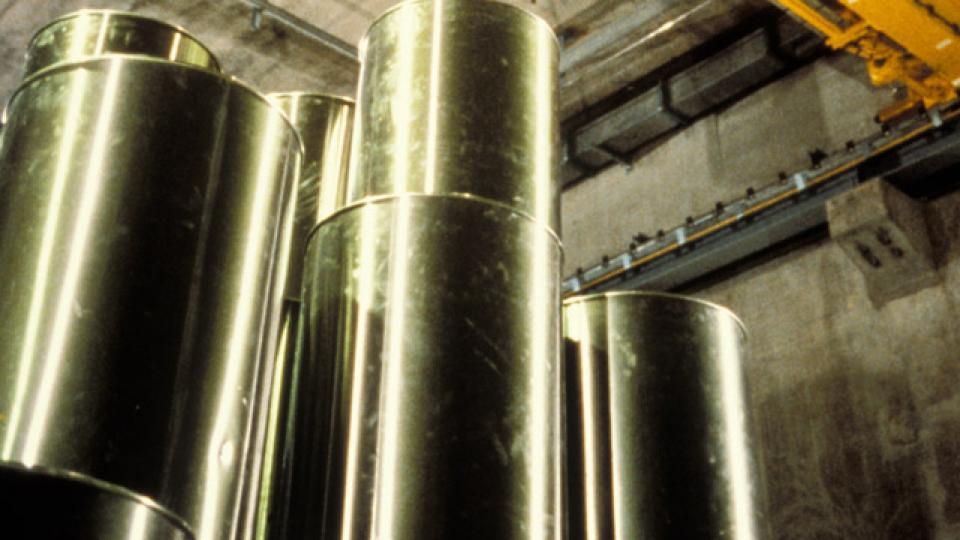
To reduce its volume, a significant proportion of solid ILW-LL is compacted into pellets. These are then placed in concrete or metal waste packages.
To facilitate handling, transport, storage and disposal operations, four waste packages may subsequently be grouped together in a concrete container.
Pending the commissioning of Cigéo, ILW-LL is safely stored in dedicated facilities located at or near the sites where it is generated.
High-Level Waste (HLW)
High-Level Waste (HLW) is the most radioactive waste produced in France. Most of it originates from the nuclear power industry and consists of highly radioactive residues resulting from the processing of used nuclear fuel. This waste can remain radioactive for very long periods of time, up to several hundred thousand years. Its high level of radioactivity and long lifetime have led researchers and engineers to develop Cigéo, France's deep geological disposal facility project, designed to be located in a clay formation approximately 500 metres underground.
Residues from the Nuclear Industries
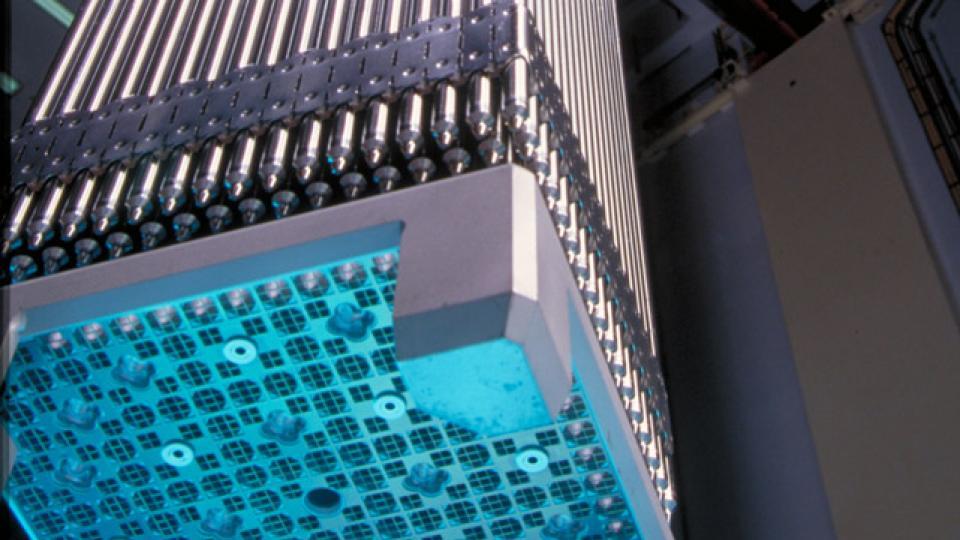
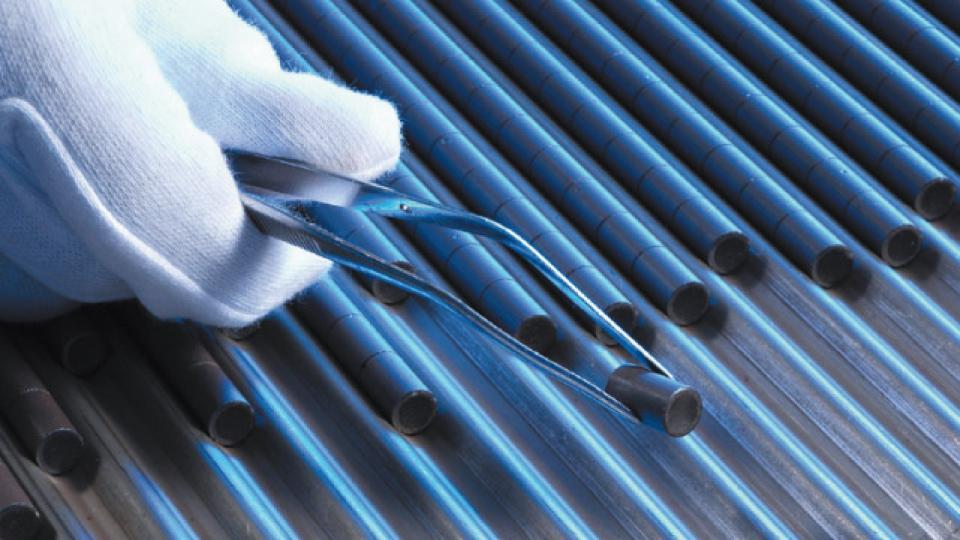
Fuel used in today's nuclear reactors consists of uranium, sometimes combined with plutonium. Over time, this fuel becomes less efficient and is removed from reactors. It is then processed, mainly at Orano's La Hague facility. This process makes it possible to recover materials, namely uranium and plutonium, that can be recycled for the manufacture of new nuclear fuel.
The non-recyclable residues generated during this process constitute HLW. They are the by-products of the nuclear reactions that take place within reactor fuel during operation. Although they represent only 3 to 5% of used nuclear fuel, they are highly radioactive.
Did you know?
Approximately 4,420 m³ of HLW had been disposed of or was expected to be managed by Andra by the end of 2022.
What Happens to HLW?
Like all radioactive waste, HLW is intended for disposal in a facility designed for its characteristics. Given its long lifetime, which can extend to several hundred thousand years, and its high level of radioactivity, HLW, like ILW-LL, is intended for disposal in Cigéo, a deep geological disposal facility to be located in a clay formation approximately 500 metres underground.
Vitrified Waste
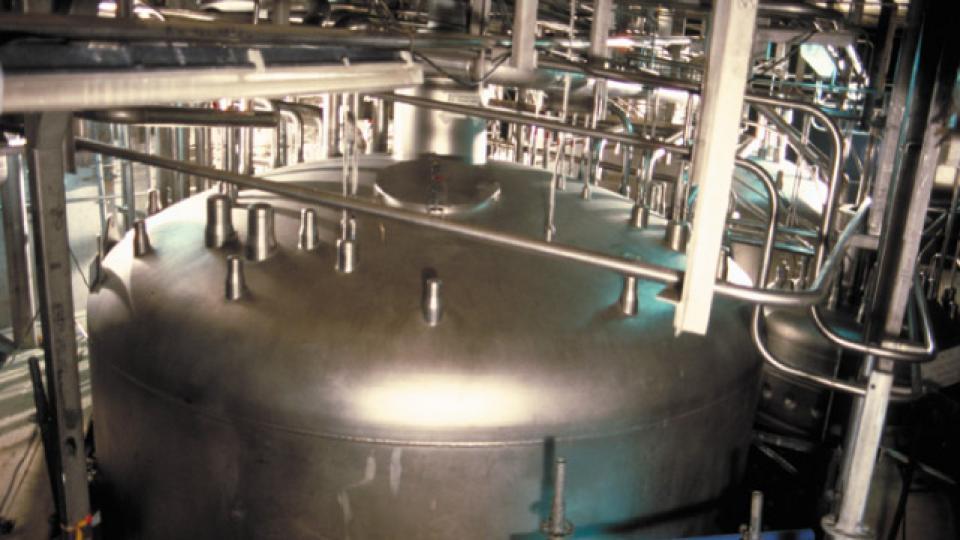
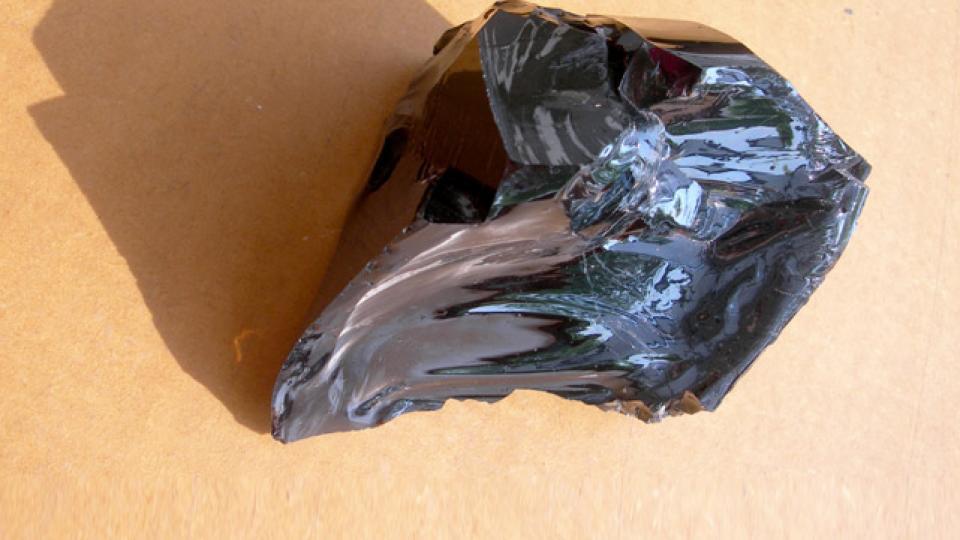
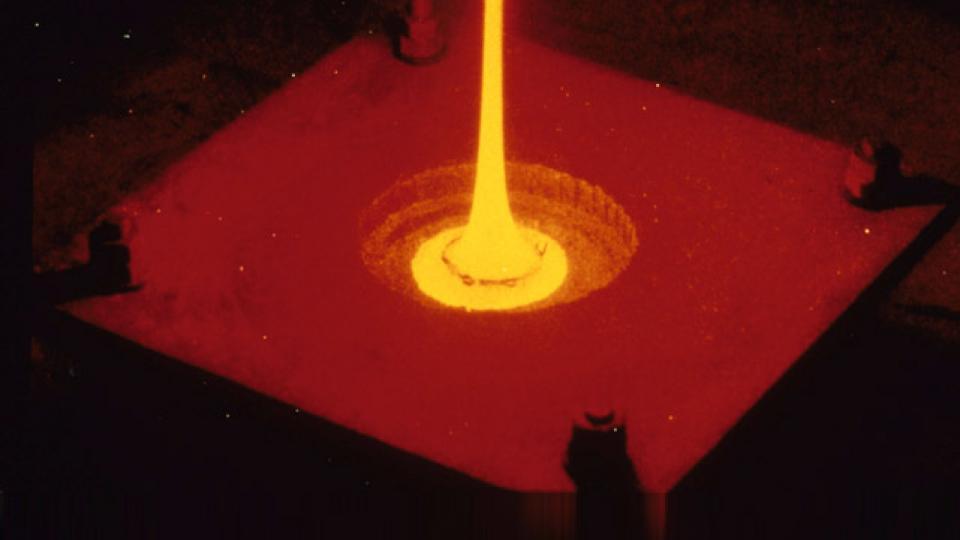
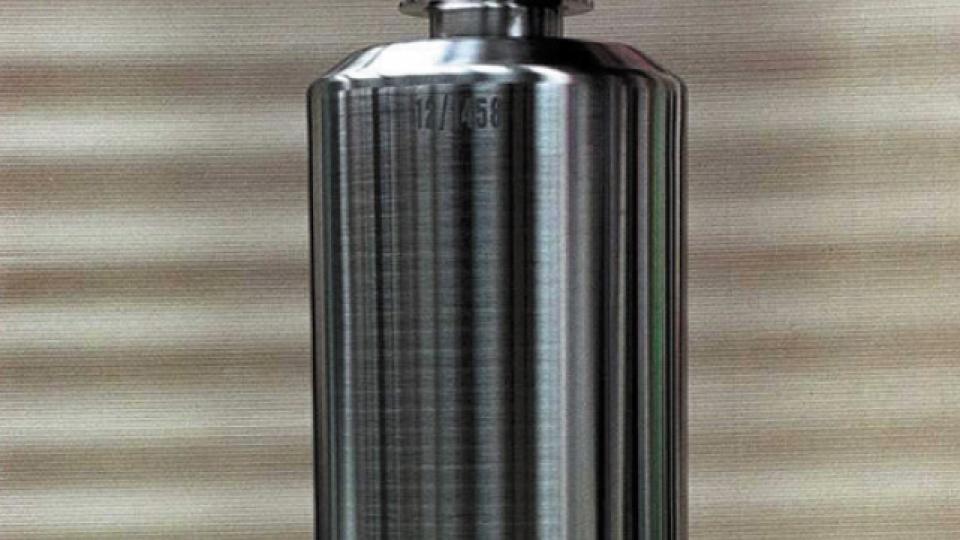
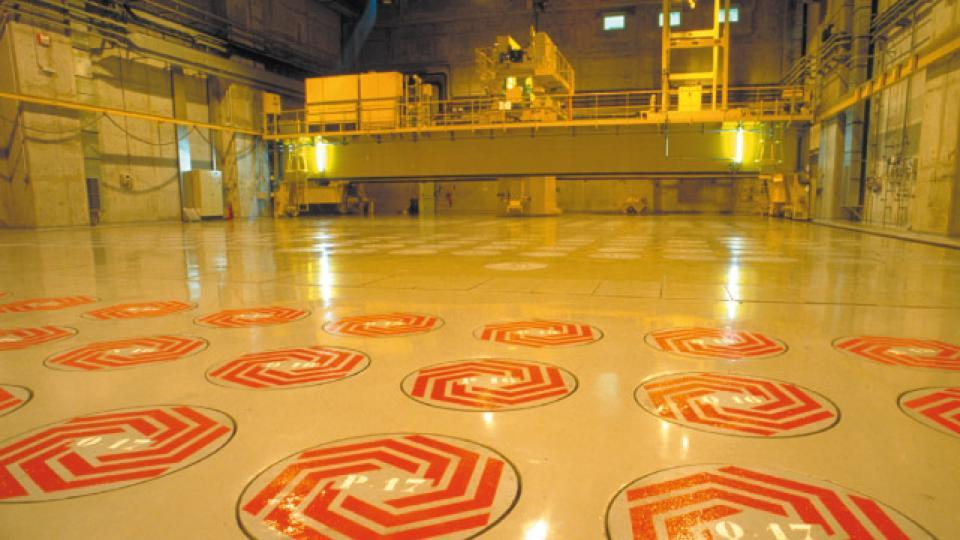
HLW is first treated and packaged according to specific requirements. The waste is calcined, producing a black powder, which is then immediately incorporated into molten glass. The resulting mixture is poured into a stainless-steel canister. Each canister contains approximately 400 kg of glass for 11 kg of HLW. The radioactivity of HLW is such that it generates significant heat, averaging around 350°C per canister. This heat gradually decreases over time as radioactivity naturally decays. Before disposal, HLW must therefore be stored for several decades until its temperature falls to approximately 90°C.
To facilitate handling, transport, storage and disposal operations, each canister may subsequently be placed inside a second steel overpack. Pending the commissioning of Cigéo, HLW is safely stored in dedicated facilities at the sites where it is produced, including La Hague (Orano), Marcoule and Cadarache (French Alternative Energies and Atomic Energy Commission facilities).